
Service / Statewide NC
Brush Cutting for Overgrown Lots, Fence Lines and Field Edges
Some properties do not need trees taken down. They need the briars, saplings and vines that have crept in over a few seasons knocked back hard. Brush cutting is the lighter-duty answer for ground that has simply gotten away from you.
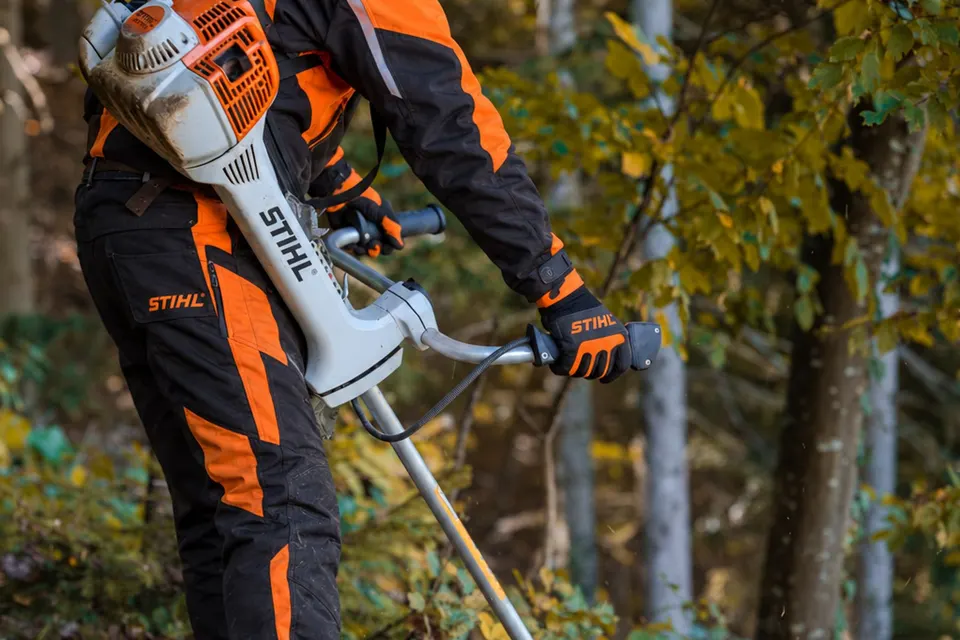
What brush cutting covers
Brush cutting is about the material that is too heavy for a lawn mower but not yet a forest: blackberry and briar thickets, sapling sweetgum and pine, honeysuckle and privet, tall weeds and grass gone to seed, and vines climbing fences. A rotary cutter shreds that material at a set height and drops it back as a coarse layer of clippings.
Typical jobs include reclaiming a back pasture before fencing, clearing a fence line so it can be repaired or replaced, cutting ditch banks and drainage swales, opening up a vacant lot for a sale listing, or knocking down an area before a survey crew or septic evaluator has to walk it.
Brush cutting versus forestry mulching
The two get confused because both leave material on the ground. The difference is scale. A brush cutter handles grass, weeds, vines and saplings up to a modest thickness. A forestry mulcher is a heavier tool built to grind standing trees and the stumps they leave. If your photos show mostly green growth you could walk through with effort, brush cutting is usually enough. If you see a lot of trunks thicker than your wrist, mulching is probably the better tool.
On many properties the answer is both: mulch the thick tree line, then cut the rest of the field. We will suggest whichever combination gets the result with the least time on site.
Equipment we typically bring
For most lots and fields, a tracked loader or skid steer with a rotary brush cutter is the workhorse, because it can climb ditch banks and reach under fences better than a tractor in many spots. Large open fields may be cut faster with a tractor-mounted rotary cutter. Along fence wire, around posts, near siding and around trees you want left alone, handheld saws and trimmers do the finish work so nothing gets snagged or scarred.
What affects time and cost
Density and height matter most. A field of chest-high weeds goes quickly; a decade of briars with saplings mixed through takes far longer. Acreage sets the overall scale, and slope changes how fast a machine can safely travel. Wet bottoms and soft ground can force slower passes or a smaller machine to avoid ruts.
Hidden hazards are the wild card on overgrown land. Old wire, buried fence posts, tires, scrap metal and stumps can all be lurking under brush. If you know about any of them, mention it so we can plan around them. Since cut brush stays on site as clippings, there is normally no haul-off component, though we can discuss removal if a clean surface is required.
Keeping it from coming back
Brush cutting resets the clock but does not remove roots, so growth returns. In open sun, a regular mowing schedule after the initial cut usually keeps things manageable. Ground that has been neglected for years often benefits from a second cut later in the same season, which catches resprouts before they harden off. We can talk through a realistic plan based on how you will use the land.
FAQ
Straight answers
How thick of growth can a brush cutter handle?
Grass, weeds, briars, vines and saplings up to a modest diameter. When the photos show mostly small trees, forestry mulching is usually the better tool.
Can you cut along my fence without damaging it?
We run machines as close as is safe, then finish along wire and posts by hand. If the fence is already falling down, tell us whether it is staying or going.
Will you haul away the cut brush?
Normally it is shredded and left in place, which is the simplest option. If you need it removed, we can discuss loading and hauling as part of the quote.
Is one cut enough?
For lightly overgrown land, often yes, followed by regular mowing. Heavily overgrown ground usually needs a follow-up cut to catch resprouts.
Ready when you are
Send the ground. Get a straight answer.
A few phone photos of the property and a rough idea of what you want it to become is enough to start. We will tell you what it takes, what it will not take, and whether we are the right crew for it.